

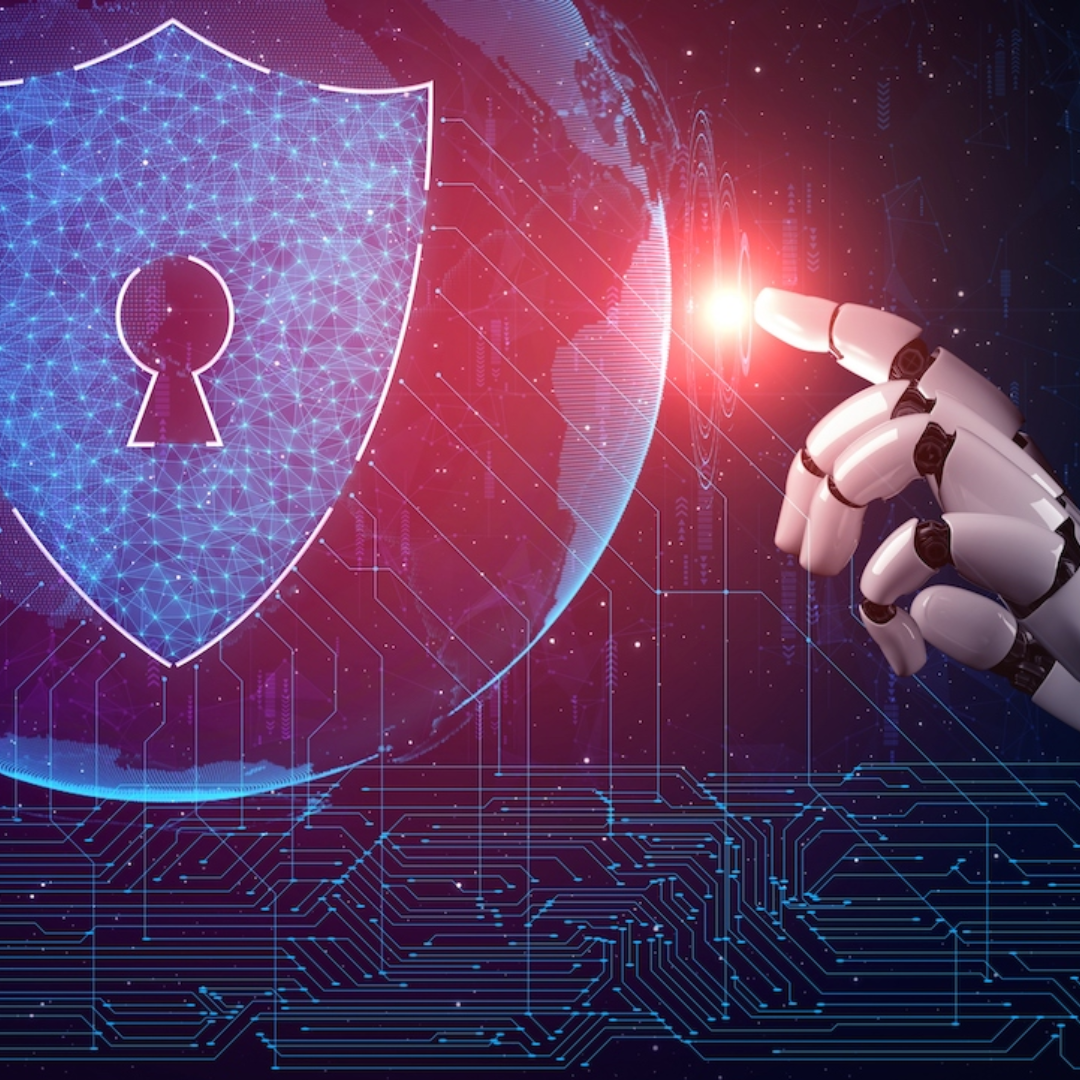
In today’s hyper-connected world, every digital interaction — from a single text to a trillion-dollar financial transaction — carries invisible risk. The digital revolution that empowered global progress has also opened the gates to sophisticated, relentless, and borderless cyber threats.
The truth is simple: cybersecurity is no longer a choice or a compliance checkbox. It is the foundation of digital trust — the invisible infrastructure that holds modern economies, governments, and lives together.
As we move deeper into the second half of the decade, technological acceleration — artificial intelligence, quantum computing, 5G, edge computing, and cloud dependency — is rewriting the rules of security. The next generation of cyber defense must be proactive, predictive, and intelligent.
Here’s an in-depth look at the future of cybersecurity, the challenges we must prepare for, and the technologies that will shape digital defense in the years to come.
1. The Evolving Threat Landscape
Cybercrime has evolved from isolated hacks into a multi-billion-dollar global industry. Attackers are no longer lone operators; they are organized ecosystems with funding, specialization, and AI-driven tools.
What’s Changing
- AI-Generated Attacks: Machine learning models can craft phishing messages, fake audio, and deepfake videos indistinguishable from reality.
- Ransomware-as-a-Service: Cyber gangs lease attack kits on the dark web, lowering the barrier to entry.
- Supply-Chain Attacks: Instead of targeting companies directly, hackers compromise third-party vendors to infiltrate systems silently.
- State-Sponsored Espionage: Geopolitical rivalries are fought through data theft, infrastructure disruption, and misinformation.
In the future, every device, sensor, and algorithm will be both a potential defender and a potential weapon.
2. From Perimeter Defense to Zero Trust
Traditional security relied on building walls — firewalls, VPNs, and access control — assuming threats stayed outside. That assumption is now obsolete.
The future belongs to the Zero Trust model: never trust, always verify. Every user, device, and transaction must prove legitimacy continuously.
Core Principles
- Identity-First Security: Continuous authentication using biometrics and behavior analysis.
- Least Privilege Access: Users get only the minimum access necessary for tasks.
- Micro-Segmentation: Dividing networks into isolated zones to contain breaches.
- Continuous Monitoring: AI systems scanning real-time behavior anomalies.
Zero Trust transforms cybersecurity from a wall into an immune system — adaptive, responsive, and constantly learning.
3. Artificial Intelligence – Both a Shield and a Sword
AI is redefining cybersecurity from both sides of the battlefield.
As a Threat
Attackers are using AI to:
- Automate attacks at scale.
- Generate fake credentials and bypass CAPTCHA systems.
- Personalize phishing using predictive behavioral analytics.
As a Defense
Defenders leverage AI to:
- Detect anomalies invisible to humans.
- Automate incident response.
- Correlate millions of data points across endpoints and clouds in real time.
AI-driven cybersecurity in 2025 and beyond means systems that don’t wait for an attack — they anticipate it. The rise of “self-healing” networks marks a turning point where prevention overtakes reaction.
4. The Rise of Autonomous Security Systems
The sheer scale of modern cyber threats has surpassed human capacity for manual response. The next evolution is autonomous cybersecurity — systems that act independently once a threat is detected.
Capabilities
- Automated Containment: Isolating compromised systems in milliseconds.
- Adaptive Defense: Adjusting firewall and access rules dynamically.
- AI-Orchestrated Playbooks: Executing multi-step mitigation strategies automatically.
- Behavioral Feedback Loops: Improving protection with every incident.
These systems mimic the human immune system: identify, contain, neutralize, and remember.
5. Quantum Computing and the Encryption Crisis
Quantum computing’s rise promises breakthroughs in science — but it also threatens to dismantle current encryption. Algorithms like RSA and ECC, which protect 90% of the world’s data, can be broken in minutes by a sufficiently powerful quantum computer.
The Coming Disruption
- Quantum Decryption: Future quantum processors could render today’s encryption obsolete.
- Harvest-Now, Decrypt-Later: Hackers are already stealing encrypted data to decrypt later when quantum power matures.
- Post-Quantum Cryptography (PQC): New mathematical systems resistant to quantum attacks are being developed by NIST and major tech companies.
The transition to quantum-safe encryption must start now — before the quantum era arrives.
6. Cloud Security and the Shared Responsibility Model
As cloud adoption dominates business infrastructure, security is no longer confined to physical boundaries. But many breaches occur because users misunderstand shared responsibility.
Modern Realities
- Misconfigurations: One wrong permission can expose terabytes of data.
- Shadow IT: Employees deploying unsanctioned cloud apps.
- Multi-Cloud Complexity: Different vendors, policies, and tools create fragmentation.
What’s Emerging
- Cloud Security Posture Management (CSPM): Automated audits for compliance gaps.
- Confidential Computing: Encrypting data even while it’s being processed.
- Unified Identity and Access: Cross-cloud single sign-on for governance.
In the future, cloud defense will depend on visibility, automation, and continuous trust verification.
7. Securing the Internet of Things (IoT)
By 2025, more than 25 billion devices — from smart cameras to industrial robots — are connected to the internet. Each device is a gateway, and many are built with minimal security.
Key Risks
- Unpatched firmware.
- Default passwords and outdated encryption.
- Botnets weaponizing consumer devices for DDoS attacks.
Next-Gen Defense
- IoT Security Frameworks: Universal standards for authentication and firmware updates.
- AI-Driven Device Profiling: Networks learning normal device behavior and flagging anomalies.
- Hardware-Level Protection: Secure chips and tamper-proof design.
The Internet of Things must evolve into an Internet of Trust.
8. Cybersecurity in the Age of 5G and Edge Computing
5G expands connectivity — but also multiplies entry points. Its decentralized structure, combined with edge computing, means data travels across thousands of micro-environments.
Threats Emerging
- Rogue base stations intercepting communications.
- Edge devices compromised to inject malicious data upstream.
- Exploitation of low-latency network APIs for rapid attack propagation.
Defensive Shifts
- Edge-Native Security: Encryption and authentication embedded directly at nodes.
- Zero-Trust Networking: Each device verifies each packet before interaction.
- Network Slicing Security: Isolating virtual 5G networks to prevent cross-breach impact.
Speed and security must evolve together — one cannot outrun the other.
9. The Human Factor and Cyber Hygiene
Despite technological sophistication, humans remain the weakest link in cybersecurity. Over 80% of breaches stem from errors or social engineering.
Why It Persists
- Convenience often overrides caution.
- Lack of security training.
- Overreliance on automation.
Future Solutions
- Behavioral Analytics: Detecting insider threats by tracking unusual user actions.
- Continuous Education: Gamified training that evolves with threats.
- Passwordless Authentication: Biometrics, hardware tokens, and digital certificates replacing weak credentials.
Building a cyber-resilient culture will be just as important as building strong firewalls.
10. Privacy, Regulation, and Ethical AI
Governments are rewriting digital laws to protect citizens from surveillance and misuse. But enforcement is complex when borders blur online.
What’s Changing
- Global Privacy Laws: Frameworks like GDPR, India’s Digital Personal Data Protection Act, and California’s CCPA evolving into global norms.
- AI Regulation: Ensuring algorithmic decisions are transparent and fair.
- Data Sovereignty: Nations insisting data remain within borders.
Ethical Imperatives
- AI must explain its reasoning.
- Surveillance technologies must respect human rights.
- Companies must treat privacy as a moral duty, not a checkbox.
Trust will be the new currency of the digital economy.
11. The Rise of Cyber-Physical Security
As cities and industries digitize, cyberattacks no longer just target data — they can disrupt physical systems.
Examples
- Power grids and oil pipelines shut down through malware.
- Smart traffic lights manipulated to cause congestion or accidents.
- Hospital systems paralyzed by ransomware during emergencies.
The future demands converged defense — merging IT security (data) with OT security (machines) under one integrated response system.
12. Predictive and Proactive Threat Intelligence
Waiting for attacks is no longer acceptable. Advanced organizations now invest in predictive threat modeling using AI and data analytics to forecast potential risks before they occur.
Emerging Practices
- Dark Web Intelligence: Monitoring hacker forums for leaked credentials.
- Machine Learning Forecasts: Identifying potential vulnerabilities based on global trends.
- Attack Surface Management: Visualizing every endpoint, application, and shadow system.
Cybersecurity of the future isn’t about defense — it’s about anticipation.
13. Blockchain and Decentralized Security Models
Blockchain offers new tools for trust and verification in digital ecosystems.
Applications
- Identity Management: Immutable digital IDs eliminating password theft.
- Data Integrity Verification: Ensuring tamper-proof logs for audits.
- Decentralized Storage: Distributed ledgers making ransomware ineffective.
In the next decade, blockchain won’t just secure cryptocurrency — it will secure everything from healthcare to supply chains.
14. Biometric and Continuous Authentication
Static passwords are relics of the past. The next wave of authentication uses biometrics, context, and behavior.
Examples
- Facial and voice recognition combined with device fingerprinting.
- Behavioral biometrics — typing rhythm, mouse movement, gait analysis.
- Adaptive authentication that tightens security based on risk level.
Authentication in 2025 and beyond will be invisible — seamless, secure, and personal.
15. Incident Response and Cyber Resilience
Breaches are inevitable; collapse is not. The future of cybersecurity lies in resilience — the ability to recover instantly and continue operations.
Modern Resilience Strategies
- Automated isolation of infected systems.
- Immutable data backups and air-gapped recovery.
- AI-orchestrated disaster simulation exercises.
- Cloud-native redundancy for uninterrupted service.
Resilience transforms cybersecurity from defense into continuity.
16. Security for Artificial Intelligence Itself
AI now drives decisions in healthcare, defense, and finance — but AI itself can be hacked. Adversarial AI manipulates inputs to fool systems, causing misdiagnosis, fraud, or automated misinformation.
Defensive Measures
- Model Hardening: Training AI against malicious data poisoning.
- Explainable AI (XAI): Making models interpretable and auditable.
- Ethical Oversight: Ensuring AI decisions align with human values.
Securing AI will become as important as using it.
17. The Future Workforce: Cybersecurity + Psychology
Tomorrow’s defenders will need more than coding skills. They’ll need to understand human behavior, geopolitics, and ethics.
Emerging Roles
- Cyber Behavior Analyst.
- AI Security Engineer.
- Quantum Cryptography Specialist.
- Digital Ethics Officer.
Interdisciplinary expertise will define the defenders of the digital age.
18. The Economic Impact of Cybersecurity
Cybercrime will cost the global economy trillions annually by the end of the decade. But cybersecurity is not just a cost — it’s an investment in continuity and reputation.
Shifts in 2025
- Boardrooms treat cyber resilience as part of corporate strategy.
- Insurers demand strict compliance with security frameworks.
- Investors evaluate cybersecurity posture before funding.
Security will soon define brand value as much as product quality.
19. Collaboration – The Only Way Forward
No single organization can fight cybercrime alone. The future of defense depends on collaboration.
What’s Emerging
- Threat-Sharing Platforms: Global databases pooling intelligence across industries.
- Public-Private Alliances: Governments and corporations working jointly.
- Cross-Border Response Protocols: Rapid international coordination during global attacks.
In cybersecurity, isolation is weakness — connectivity is strength.
20. The Road Ahead – A Digital Immune System
By the early 2030s, cybersecurity will evolve into a digital immune system — self-learning, adaptive, and omnipresent.
Networks will:
- Identify threats autonomously.
- Repair themselves without downtime.
- Share knowledge globally within seconds.
Security will be embedded at every layer — from hardware to human awareness. The focus will shift from defending systems to engineering resilience into society itself.
Conclusion
The future of cybersecurity isn’t about fear — it’s about readiness.
As digital transformation accelerates, every innovation will invite new risks. But with intelligent systems, quantum-safe encryption, ethical AI, and global collaboration, we can create a safer digital civilization.
Cybersecurity is no longer the backroom function of IT; it is the frontline of human progress. The world we build tomorrow depends on the security we design today.
Be ready — because in the future, every click, code, and connection will define trust.
Disclaimer
This article is fully original and written purely for informational and educational purposes. No external websites or texts were used. All insights are independently composed based on current and emerging cybersecurity trends.
