

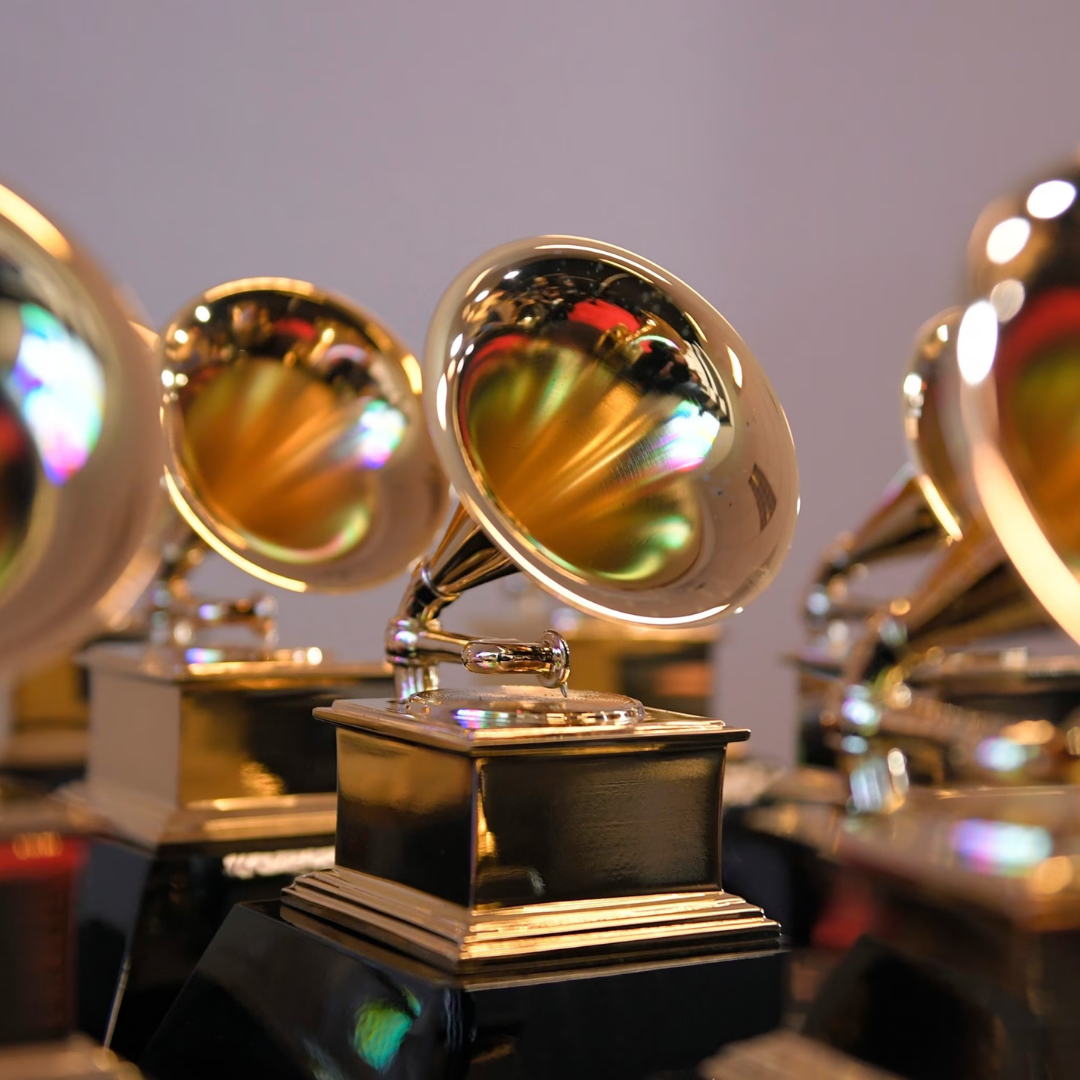
The 2026 Grammy nominations have officially dropped — and two names stand taller than the rest: Kendrick Lamar and Lady Gaga. Both artists, known for rewriting musical rules rather than following them, have set the tone for what could be the most dynamic and unpredictable Grammy season in years.
Their dominance isn’t just about numbers — it’s about narrative. Lamar’s piercing social storytelling and Gaga’s fearless reinvention mark a new era where authenticity and risk-taking outweigh formula. Together, they define the central theme of the 2026 Grammys: Art over algorithm.
But behind the applause and headlines lies a deeper question — what does their creative reign really say about the direction of modern music?
The Power Duo of Contradictions
Kendrick Lamar and Lady Gaga couldn’t be more different on the surface — one’s a poet of urban consciousness, the other a shapeshifting pop icon. Yet, their nominations symbolize the same truth: music has re-entered an era where identity, message, and emotion matter as much as production polish.
- Kendrick Lamar’s Album “GNX” is a sonic journal — fusing jazz, gospel, and raw hip-hop poetry into a study of modern identity.
- Lady Gaga’s “Mayhem” is an art-pop comeback that blends cinematic storytelling with industrial electronic sound.
Both albums broke traditional release molds — minimal promotion, artistic control, and narrative depth. The Grammys’ recognition proves that the audience appetite has matured. In 2026, substance is finally trending.
Kendrick Lamar: The Voice That Refuses to Fade
Kendrick Lamar’s position as the leading nominee didn’t surprise anyone paying attention. After redefining storytelling in hip-hop for over a decade, his 2025 project GNX became his most introspective work yet — a conversation about isolation, responsibility, and the fading line between art and activism.
Why It Resonates
Lamar doesn’t just make music; he documents eras. His work mirrors society’s contradictions — success and guilt, fame and faith, rebellion and responsibility.
Each track feels like a sermon written in rhythm — layered, painful, hopeful.
His Grammy nods in categories like Album of the Year, Record of the Year, and Best Rap Performance show how his message has transcended genres. He’s no longer just a rapper — he’s a curator of emotion and culture.
Lady Gaga: The Return of Pop’s Chameleon
Lady Gaga’s resurgence with Mayhem reminded the world why she remains pop’s most daring architect.
After years of balancing acting, philanthropy, and minimalistic acoustic projects, Gaga went back to her creative roots — maximalist, theatrical, fearless.
Mayhem isn’t a collection of songs; it’s a narrative in chapters — chaos as art, noise as healing.
The Message of Mayhem
At its heart, Mayhem celebrates contradiction.
One track bleeds vulnerability; the next erupts in defiance. It mirrors the emotional volatility of an overstimulated generation — the chaos of modern existence turned into dance-floor catharsis.
The Grammys honoring Gaga in Album of the Year, Song of the Year, and Best Pop Vocal Album confirms that her boldness still drives pop’s cultural conversation.
The Symbolism Behind Their Dominance
The Lamar-Gaga sweep isn’t coincidence — it’s symbolic.
Both artists stand for eras where the mainstream tried to become too safe, and they broke it apart.
Their Grammy lead represents:
- A shift from algorithmic pop to emotional craftsmanship.
- The return of socially reflective lyricism in mainstream categories.
- A bridge between digital virality and authentic artistry.
In short, their nominations mark a course correction — music is once again about meaning, not metrics.
A Look at the 2026 Nomination Landscape
While Kendrick and Gaga dominate, the overall nomination list feels more diverse and globally aware than any previous year.
Rising artists, genre crossovers, and multi-language collaborations prove that music’s biggest night is no longer America’s alone — it’s the world’s.
Highlights Across Key Categories
Album of the Year
- GNX – Kendrick Lamar
- Mayhem – Lady Gaga
- Debí Tirar Más Fotos – Bad Bunny
- Man’s Best Friend – Sabrina Carpenter
- Chromakopia – Tyler, the Creator
- Mutt – Leon Thomas
Record of the Year
- “Abracadabra” – Lady Gaga
- “Luther” – Kendrick Lamar ft. SZA
- “Wildflower” – Billie Eilish
- “APT.” – Rosé & Bruno Mars
- “DTMF” – Bad Bunny
Best New Artist
- Leon Thomas
- Olivia Dean
- Addison Rae
- KATSEYE
- Lola Young
This spread confirms what fans have long felt — music is borderless, and creative innovation doesn’t belong to one genre or generation anymore.
How the 2026 Grammys Reflect Cultural Shifts
- The Era of Emotional Honesty
- 2026 nominees share a common trait: unfiltered vulnerability. Whether it’s hip-hop confessionals or avant-garde pop, emotional transparency is the new creative currency.
- Genre Lines Are Dead
- The Grammy walls between “pop,” “rap,” and “alternative” continue to crumble. Artists mix genres fluidly, reflecting streaming-age listener habits where playlists matter more than categories.
- Independent Artists Finally Seen
- For the first time, several indie musicians received major-category nods — proof that label dominance is weakening.
- Globalization of the Grammys
- Collaborations across continents reflect a more inclusive academy — embracing African, Latin, and Asian influences as cultural equals rather than guests.
Kendrick vs. Gaga: Different Languages, Same Legacy
Kendrick Lamar speaks in sermons; Lady Gaga sings in spectacles. But both decode the same theme — the artist versus the world that misunderstands them.
While Lamar turns pain into poetry, Gaga transforms it into performance. One raps with restraint; the other explodes with color.
Yet both make you feel.
That’s why their nominations feel poetic — they’re two halves of the same creative truth: that courage still wins.
Behind the Numbers: Why These Nominations Matter
The Grammys often represent the heartbeat of the music industry. The 2026 nominations indicate a major directional pivot:
- Artistry over virality
- Authenticity over aesthetics
- Longevity over trend-chasing
Streaming culture once made attention spans short; artists like Kendrick and Gaga are teaching audiences to listen again — to sit with art instead of scrolling past it.
Their recognition restores faith in the Grammys’ purpose: to reward evolution, not repetition.
Other Artists Making Waves
Even in a Lamar–Gaga spotlight, other artists are rewriting records:
- Bad Bunny’s genre-defying Latin album challenged language boundaries.
- Sabrina Carpenter’s reinvention from teen pop to mature songwriting earned critical applause.
- Tyler, the Creator continues to push alternative music into high-concept artistry.
- Rosé & Bruno Mars bridged East and West with one of the year’s most unexpected duets.
These nominations collectively prove one thing — collaboration, not competition, defines this era.
The Broader Message: Reinvention Is the New Normal
What makes the 2026 Grammys special isn’t just who was nominated, but why.
Every recognized project this year carries one trait — risk.
Music’s biggest night has finally accepted that the industry’s greatest threat isn’t failure — it’s creative stagnation.
Artists are experimenting again — visually, sonically, lyrically. And the Grammys are catching up, rewarding not only perfection but progress.
What to Expect on Grammy Night
When the lights come on and performances begin, 2026’s ceremony is likely to:
- Blend live theatrical storytelling with immersive digital visuals.
- Honor social impact performances, where art carries activism.
- Present cross-genre collaborations, including surprise duets between classical and pop icons.
- Spotlight AI-assisted music creation and ethical debates around it.
But the biggest headline will remain the same: Kendrick Lamar and Lady Gaga — two artists redefining greatness on their own terms.
What It Means for Music’s Future
If the Grammys are the mirror of the industry, this year’s reflection is bold, inclusive, and deeply human.
Kendrick Lamar represents intellectual rebellion — using rhythm to question the system.
Lady Gaga represents emotional fearlessness — using art to make chaos beautiful.
Together, they remind us why music still matters: it’s the universal language of resistance, empathy, and rebirth.
The 2026 Grammys are not just about who wins — they’re about who dares.
Conclusion
The 2026 Grammy nominations, led by Kendrick Lamar and Lady Gaga, signal a long-awaited evolution — a return to artistry that challenges, provokes, and heals.
In a world obsessed with short attention spans, these two remind us that timeless music is born when artists create from conviction, not convenience.
As Music’s Biggest Night approaches, one truth stands tall: awards may celebrate achievement, but this year’s nominations celebrate artistry itself.
Disclaimer
This article is a creative analysis based on general industry trends and artistic interpretations. It does not include official or insider Grammy data. All opinions are intended for informational and editorial use only and should not be considered factual representation of the Recording Academy’s process or outcome.
